News
International Women’s Day series: Tara Coffey, Safety Partner
Can you share a little about your career journey and what first sparked your interest in this industry?
I fell into a safety role while working for a high-end residential builder doing defects and maintenance. This put me in the room with site managers and supervisors who indulged my questions and taught me what a nogging was, and how to waterproof a floor, as well as about work planning and risk management. I was asked to chair the safety committee for the office and attended a Health and Safety Representative training course. I approached the WHS Manager for advice on pursuing a career in safety and shortly after left the city behind to start as an HSE Administrator with an engineering firm, heading off to the Pilbara in WA.
I liken that experience to being in a pressure cooker. Significant high-risk work, mobile plant the size of which you would never encounter in the city. Heat, fatigue, remote travel and very long swings. But I found the level of engagement and buy in from the workers to be second to none because everyone appreciated what the consequences could be in that environment.
After two years away I returned to the city to start as an EHS Coordinator with the largest commercial builder in Australia where I had the privilege of working with some exceptional people on large scale projects across three states including delivering a couple of landmark projects in Sydney.
My interest in energy and renewables was sparked by my sister who is a sustainability professional and encouraged me to look at our growing industry for opportunities.
Was there a moment in your career where you realised you were leading by example, whether for yourself or for other women?
One recent moment that stands out happened last year when I attended a Lean In presentation. Lean In is an international organization with the mission “We help women achieve their ambitions and work to create and equal world”. At this session the guest speaker invited the room of women construction professionals to take a moment and recognize another woman to whom they were grateful.
I was so surprised and humbled when several cadets and engineers spoke up about the support and guidance I’d provided to them. Such a special moment to hear their words and know I had had a positive impact on them.
This year’s International Women’s Day theme focuses on promising that every woman or girl, should be heard and free to shape their own lives. What does that mean to you in our industry?
In this industry being heard means having meaningful, influential representation in places where decisions are made. And for leaders to proactively elevate the stories, needs and wants of those that otherwise wouldn’t have access. That means ensuring that diverse voices are employed, considered, promoted, encouraged and respected.
Have there been times when you’ve had to back yourself? What gave you the confidence to do so?
Every day. I find being right helps with confidence.
Jokes aside, even now having grown and developed in my role, my responsibility is not just to back myself, but to speak up in support of others, so that they see that people are watching and listening and have their backs.
What makes a workplace feel genuinely inclusive to you?
Inclusivity starts at the top. Who are the people who represent us to the world and are making decisions about what the company looks and feels like. And then who do they promote and include. If you see a board or SLT and it’s all men of a certain age, I wonder where I will fit in and what sort of workplaces they encourage or allow.
Inclusivity is about the language that’s used, the behaviour they condone. Do they walk the talk.
How does an inclusive workplace improve performance and safety?
Building inclusiveness into our DNA organically creates the space needed to allow different perspectives at the table. If all the voices you hear are just echoing back to your own preconceptions, it’s largely impossible to consider that others may have very different lived experiences.
Building a strong safety culture means understanding that people bring their whole selves to work – that their knowledge, skills, expertise and personal experiences are all factors influencing their work performance and decision-making, and unless we consider those differences, we are likely to make poor decisions on how best to engage with them. One of the most dangerous terms to rely on when it comes to safety is ‘common sense’, because – common to who?
Who or what has helped you grow the most in your career?
I have been fortunate to have had one particular mentor who believed in me and gave me my first opportunity after leaving mining. He is a pragmatic and inspirational leader, and I continue to look to him for guidance.
What would you say to young women considering a career in this field?
I would say that it’s important to be clear about your own ideology and boundaries and stay true to yourself. Find a mentor you trust, pursue the opportunities available to expand your knowledge and skills and keep pushing forward. That said, it’s perfectly ok to call time on something that no longer serves you. It’s not failure to choose differently.
What are you most proud of professionally or personally?
When I sat on a small office safety committee many years ago in Perth, I never imagined I would have the opportunities and experiences I’ve had in this industry. I’ve worked hard to establish myself as a credible, trusted advisor across jobs in three different states. I can point at two of the tallest buildings on the Sydney skyline and know that I played a part in their existence. I have a phone full of former colleagues and peers who can and do still call me for advice or a friendly ear.
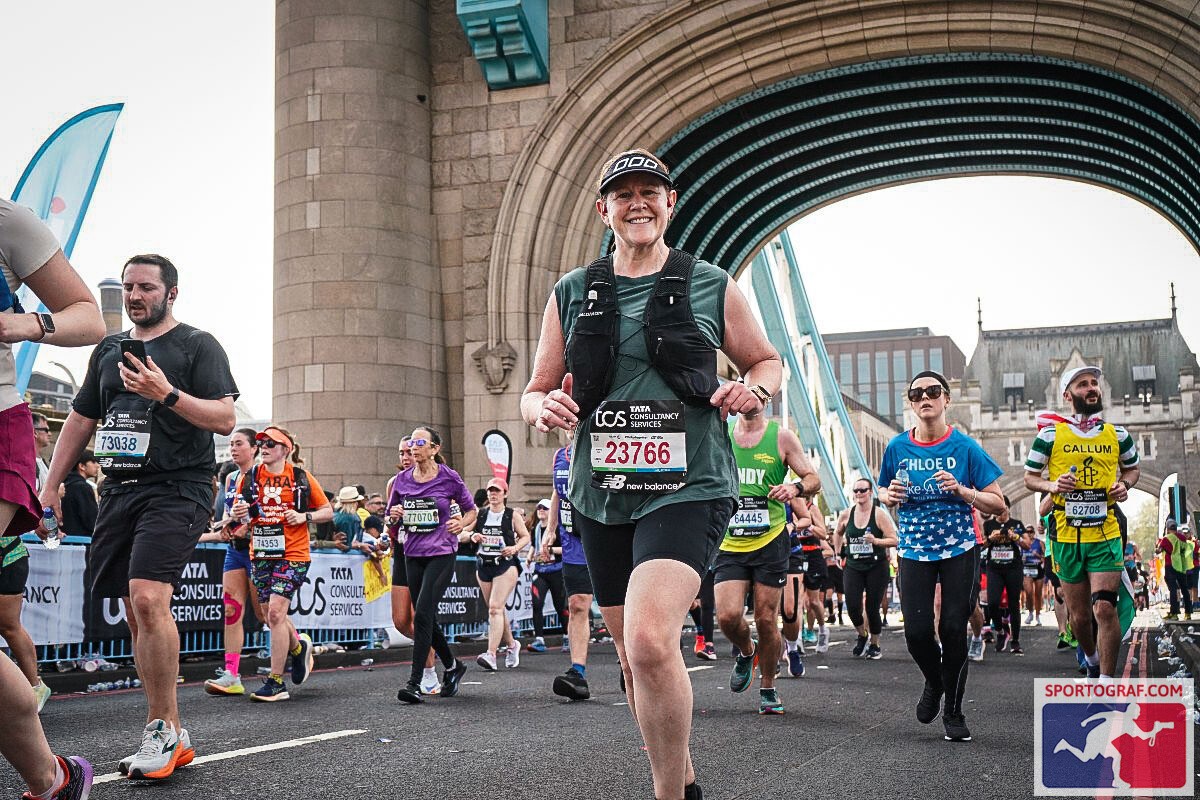
Personally, my next big proud moment will be completing my third World Major marathon, having been successful in obtaining a spot in Sydney Marathon this year, to raise money for Dementia Australia.
Running a marathon is about backing yourself, one step at a time. In my career, it’s the same. Keep showing up, keep pushing forward, bring others with you. That means allowing people to bring their whole selves to work.
What’s something people might not expect about your career path at Enerven?
I think people might be surprised at the path I took to get here. It wasn’t the direct route. I never dreamt of being a safety professional or being on construction sites as a little girl, but I got here, nonetheless.
What does leadership look like to you?
Leadership is inspirational and aspirational. A great leader is someone who has both personal and professional qualities that support you to do and be your best. They are thoughtful, trustworthy and inclusive. In our industry unfortunately too many leaders are just the loudest voice. I look to the people who inspire loyalty, not fear.
What’s one barrier you’d love to see removed for women in our industry?
Despite the many advances of women working within the construction and utilities industries, there remains a real barrier about the types of roles we see women in. Our offices are full of women being outstanding in traditionally female dominated disciplines. Our universities Construction Management and Engineering courses feature equal numbers of young women to men. And while of this is to be celebrated, I see the lack of women in trades, supervision and site management as the key inhibitor to real change.
On International Women’s Day, what message would you like to share with women across our business?
Seek opportunities to speak up. Look for the spaces where decisions are being made and get involved. Support and uplift one another. And where you have the power to make things happen, think about how you can use that influence to make things better for those that come behind you.